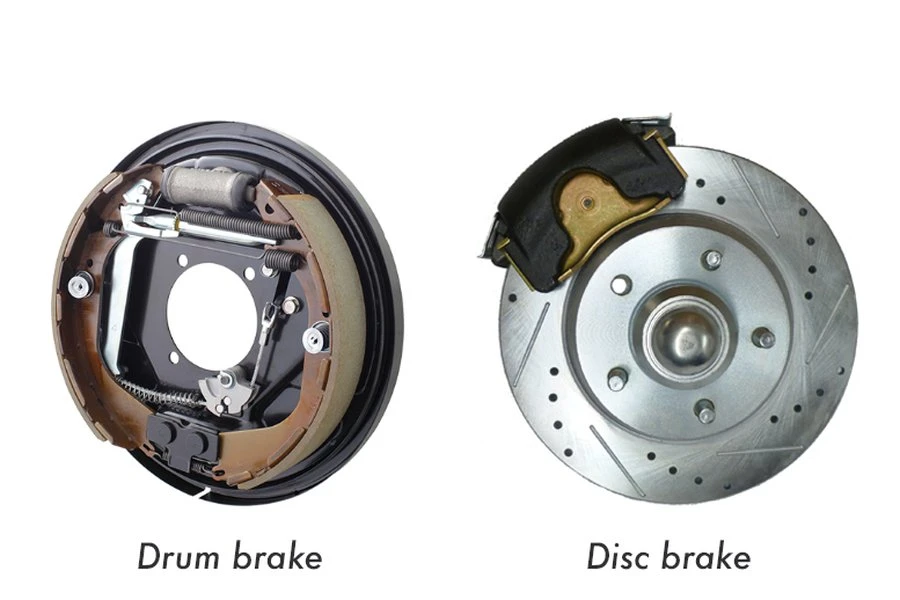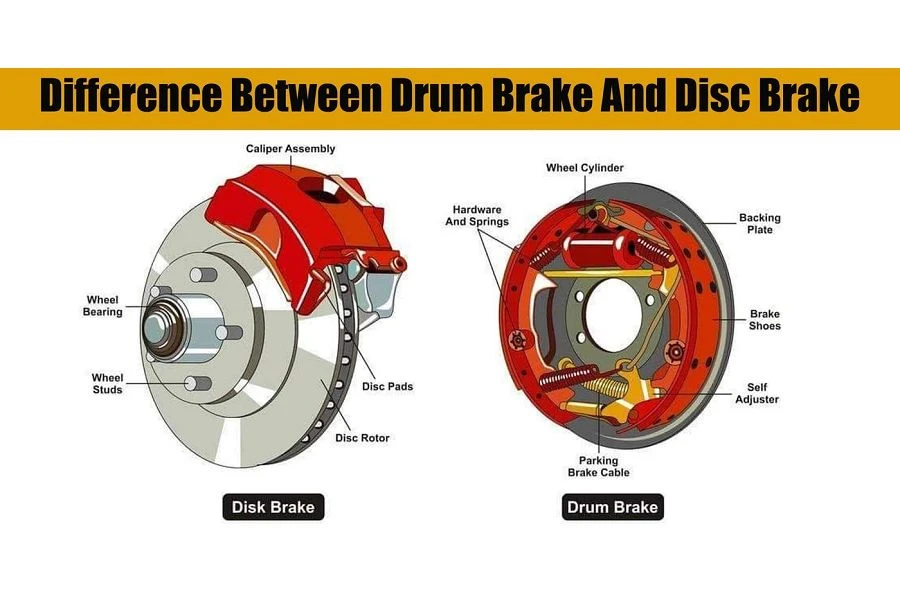
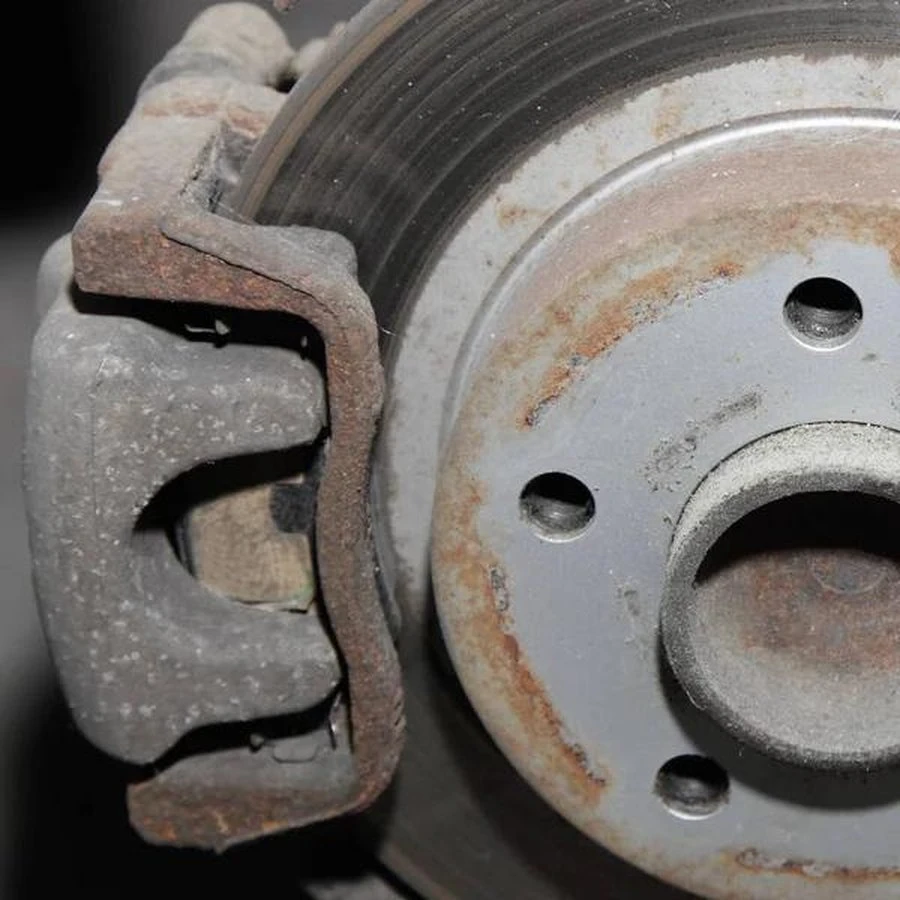
Disc brakes and drum brakes are two common types of braking systems used in vehicles. A drum brake system consists of rotating, stationary, actuating, and adjustment components. Key parts include the backing plate, wheel cylinder, and brake shoes, along with connecting elements such as linkages, springs, pins, and the brake drum itself. Drum brakes are currently most commonly found on the rear wheels of vehicles. Today, we will explain the differences between disc brakes and drum brakes.
1. Drum brakes feature a cast-iron component shaped like a tambourine-known as the brake drum-which is attached to the wheel and rotates at the same speed. Disc brakes offer superior responsiveness, stability, and heat dissipation, as well as ease of replacement. Drum brakes are less expensive to manufacture and provide higher braking force, making them a popular choice for the rear wheels of small passenger cars. However, they have a higher wear rate, which can lead to higher overall costs over time.
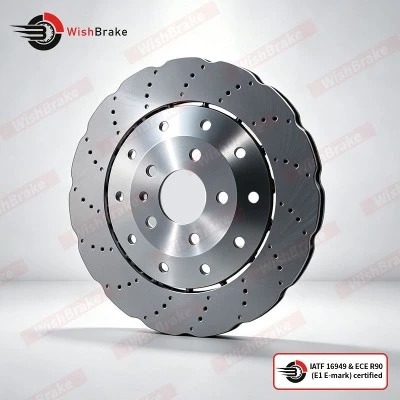
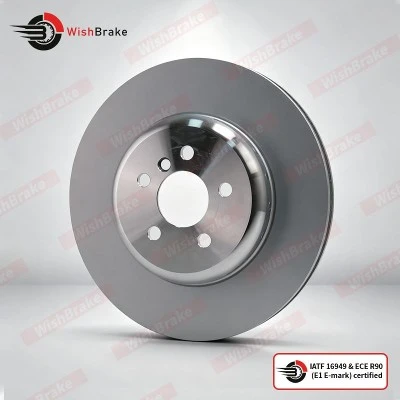
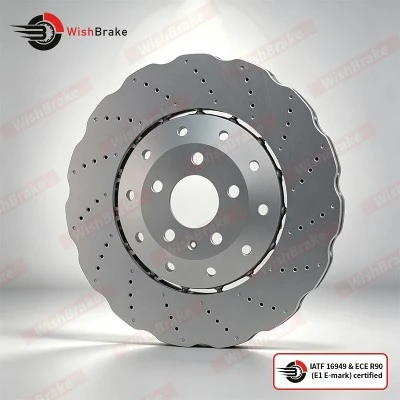
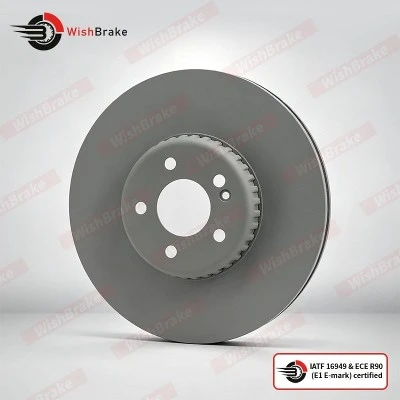
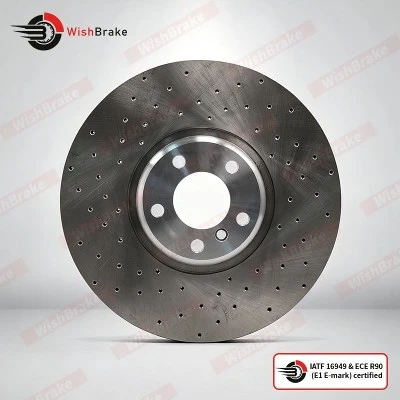
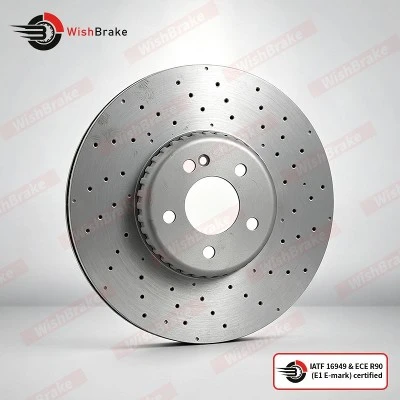
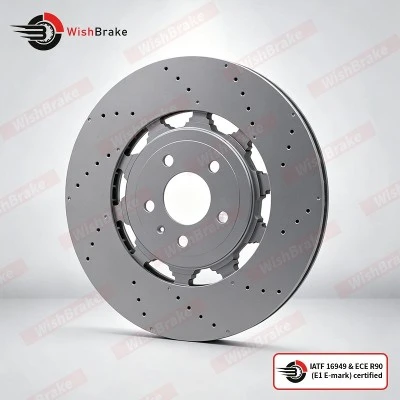
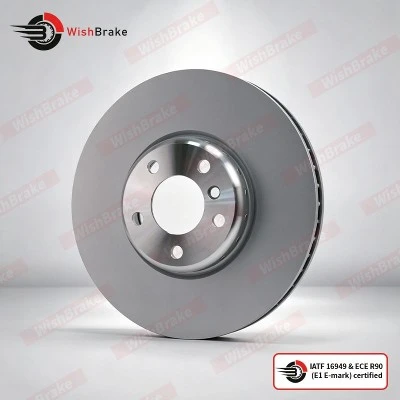
2. Disc brake rotors (discs) come in two main types: solid (standard) discs and ventilated discs.
Solid discs are, as the name implies, solid pieces of metal. Ventilated discs are designed to allow airflow; the centrifugal force generated while the vehicle is in motion promotes air circulation to dissipate heat-a feature made possible by the disc's unique construction.
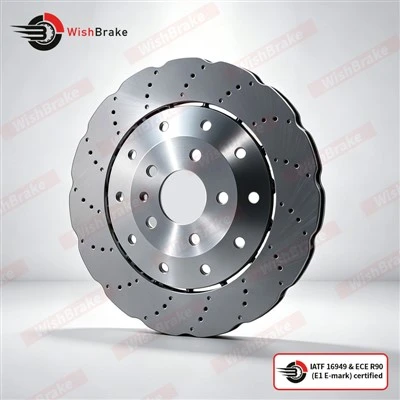
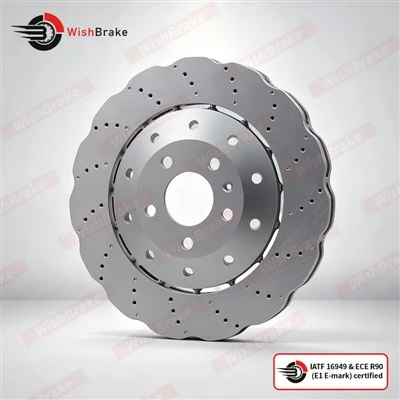
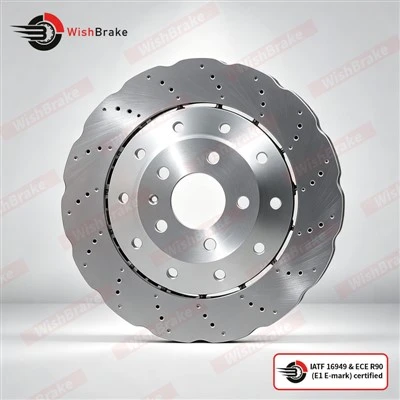
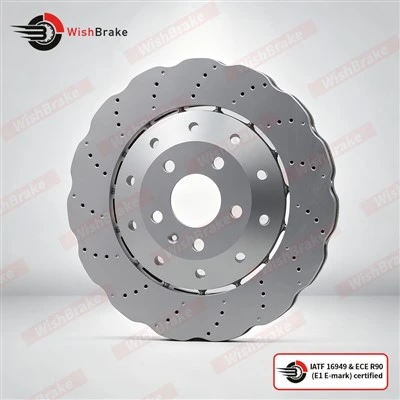
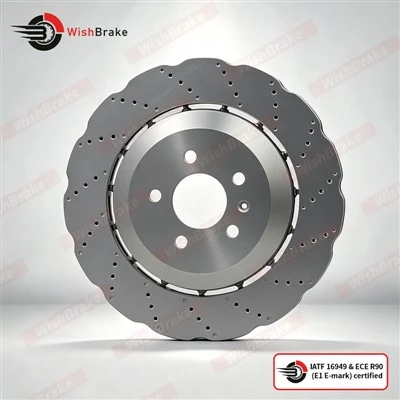
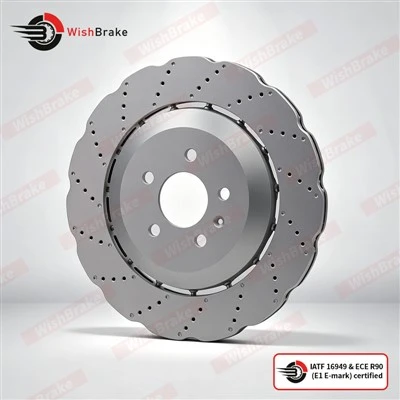
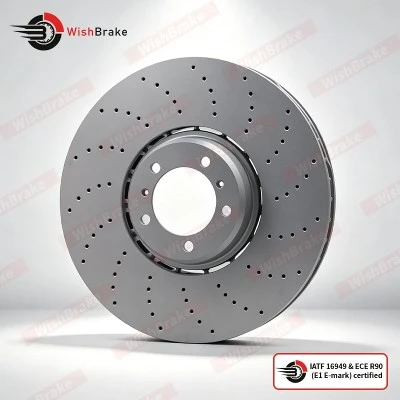
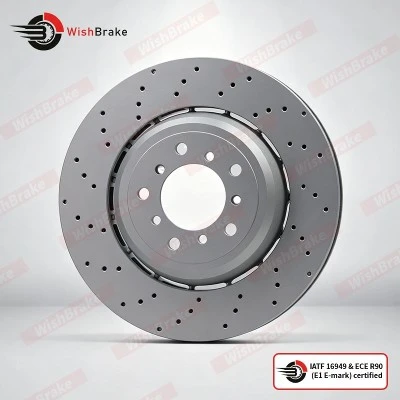
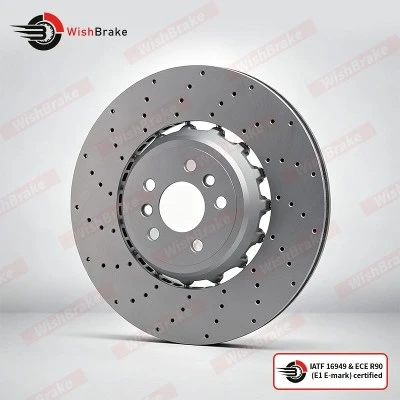
Visually, ventilated discs feature numerous holes or channels extending from the outer edge toward the center. These are created using specialized manufacturing processes, resulting in significantly better heat dissipation compared to solid discs.
Naturally, due to manufacturing costs, mid-to-high-end sedans typically use ventilated discs for the front wheels and solid discs for the rear, while premium models often use ventilated discs on all four wheels. In contrast, economy cars frequently employ a front-disc/rear-drum setup; in these cases, the front discs are usually solid rather than ventilated.