

1. Prepare tools: Gather necessary automotive repair tools, such as a wrench, screwdriver, and jack.
2. Safety precautions: Before starting, place a warning triangle near the vehicle to ensure safety.
3. Lift the vehicle: Locate the designated jacking point on the side of the vehicle and use the jack to lift it steadily.
4. Remove the tire: Loosen the lug nuts and remove the tire. If replacing brake pads or brake drums, the brake wheel cylinder must also be removed.
5. Disconnect brake lines: Remove the flexible hoses and rigid lines connected to the brake system; these are secured by clamps that can be loosened for removal.
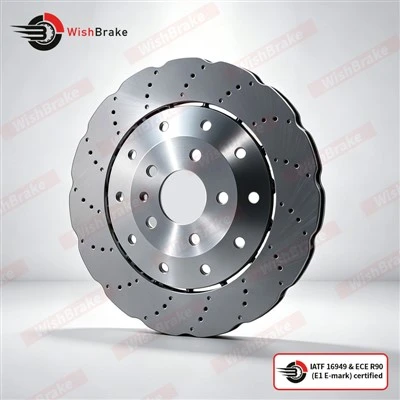
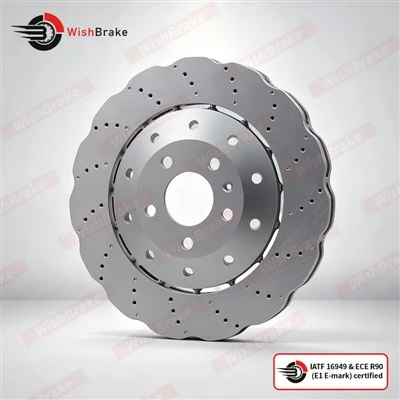
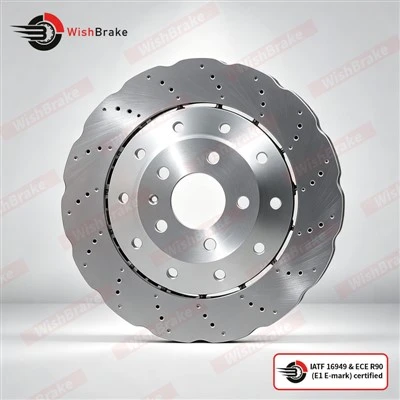
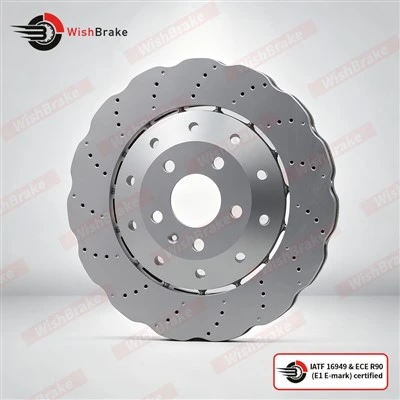
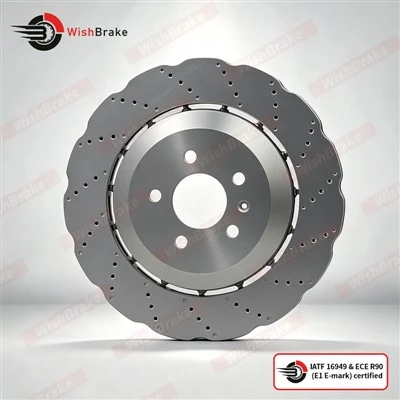
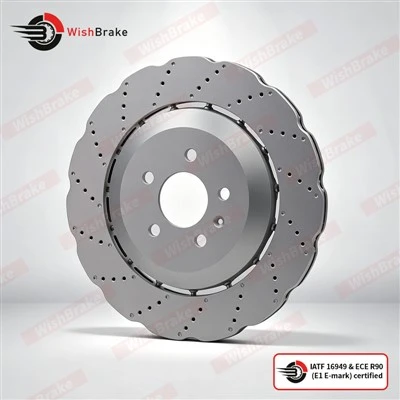
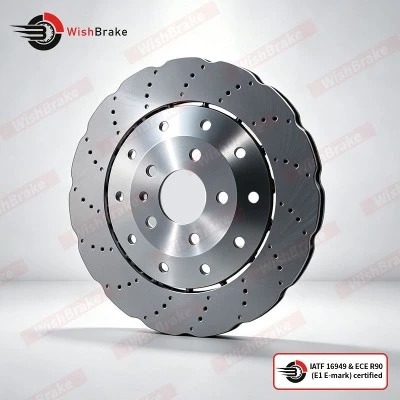
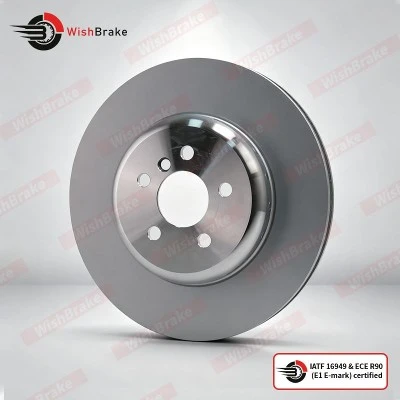
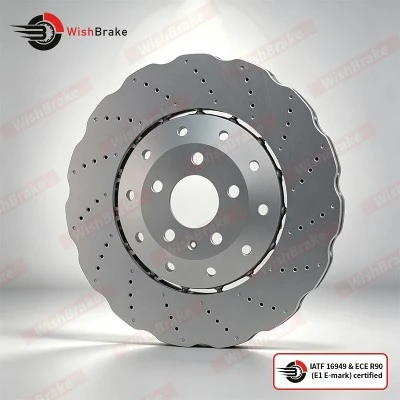
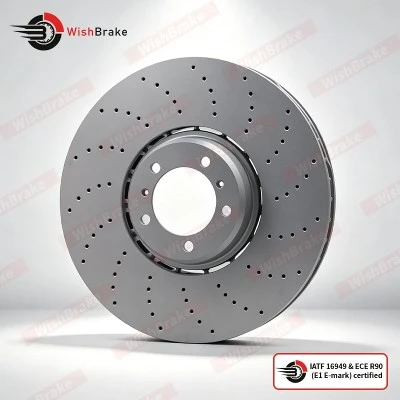
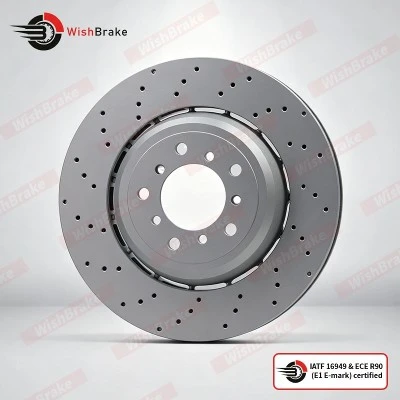
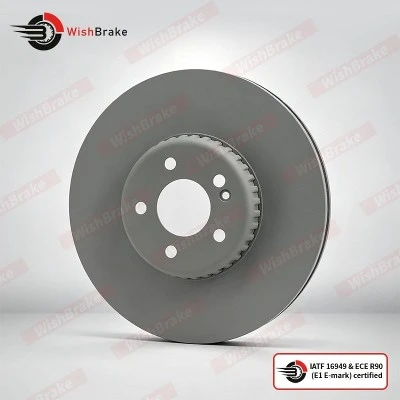
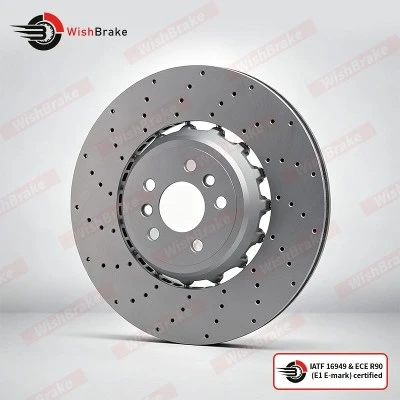
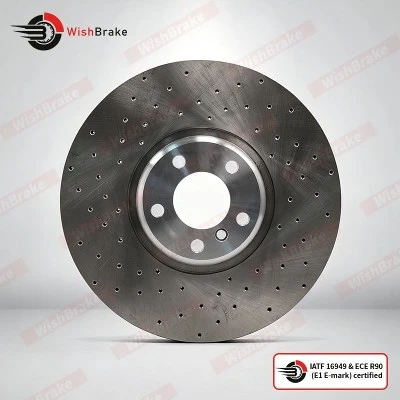
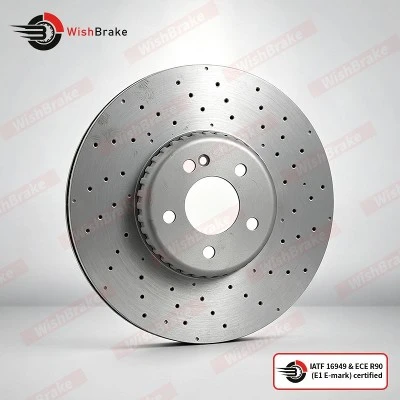
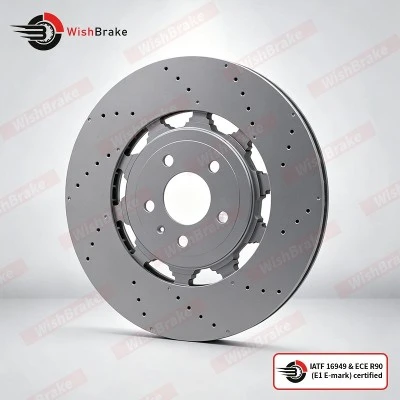
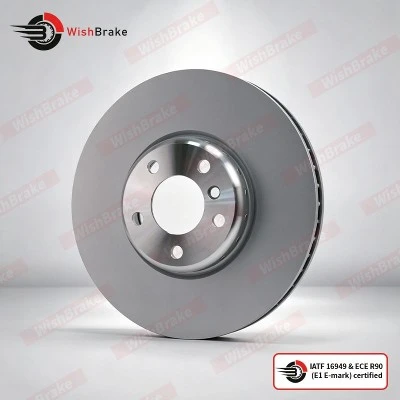
6. Remove brake components: If replacing brake discs, remove the old brake pads or brake drums.
7. Install new brake components: Install the new brake pads or brake drums, ensuring they are fitted correctly.
8. Reconnect brake lines: Reattach the flexible hoses and rigid lines to the brake system, ensuring all connections are correct and secure.
9. Reinstall the tire: Mount the tire back onto the vehicle and tighten the lug nuts.
10. Lower the vehicle: Use the jack to lower the vehicle back to the ground and ensure it is parked stably.
11. Check brake performance: Test the brake system by pressing the brake pedal a few times to ensure everything is functioning properly.