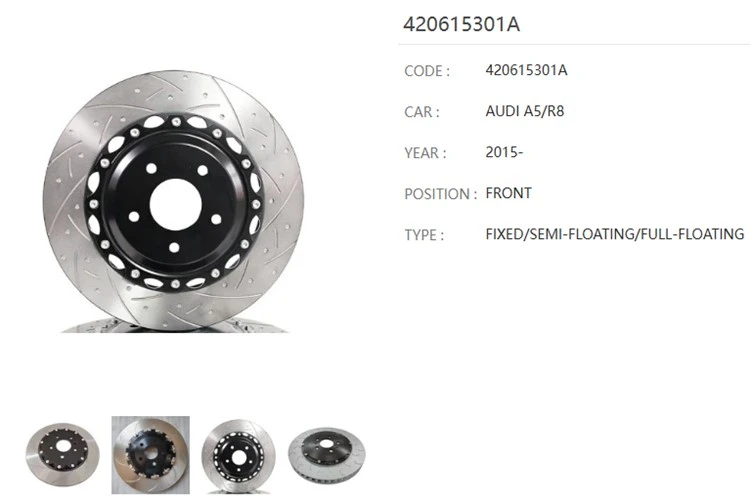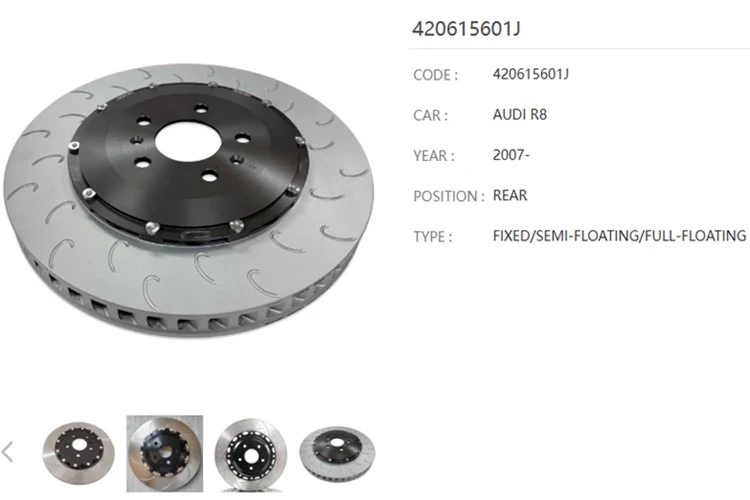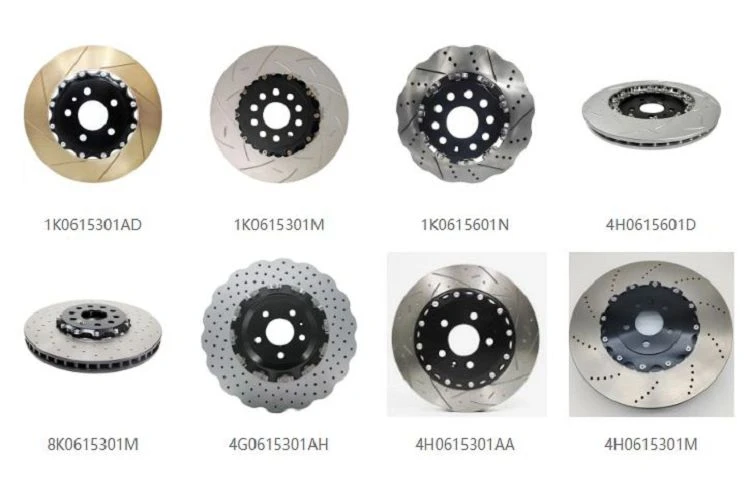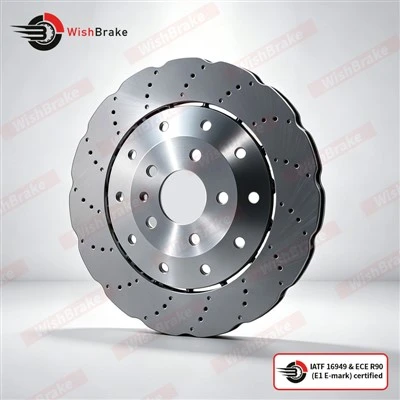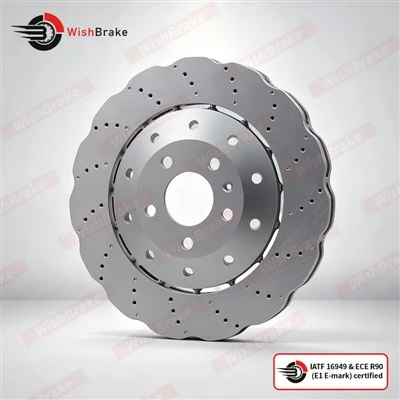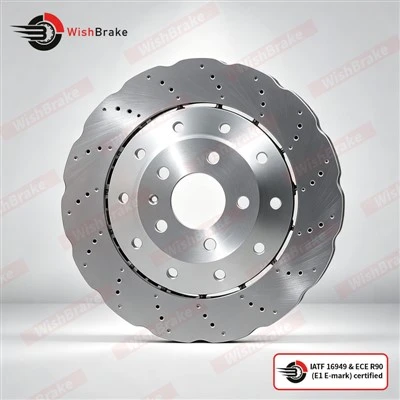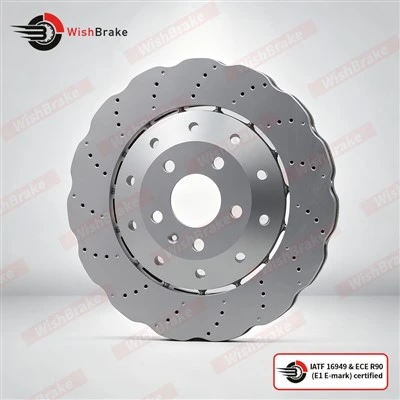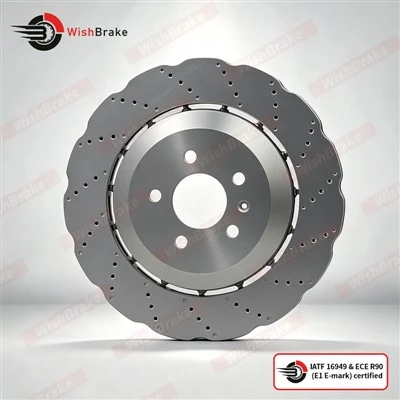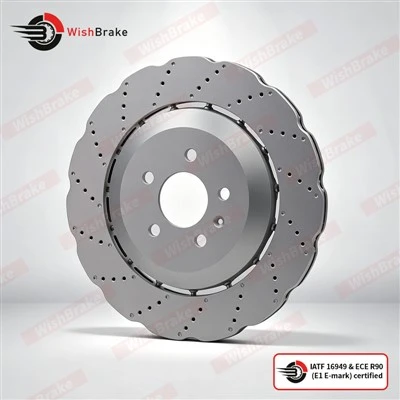
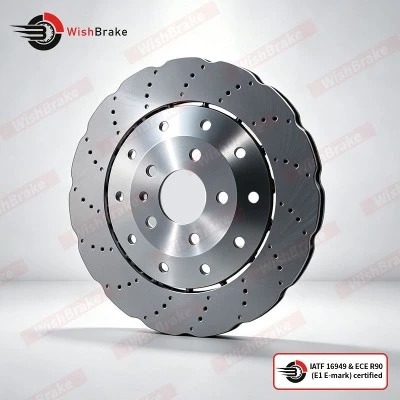
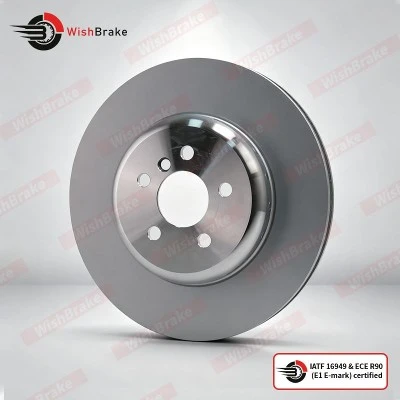
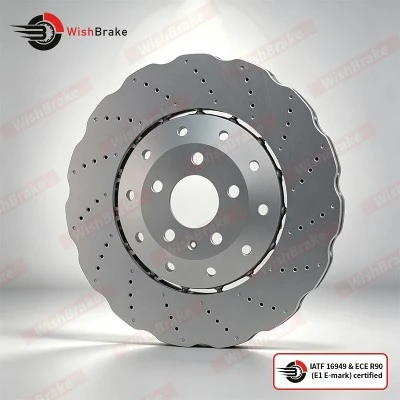
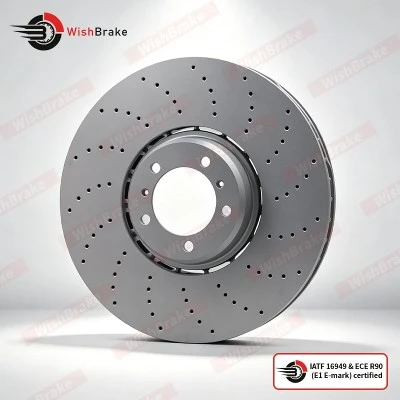
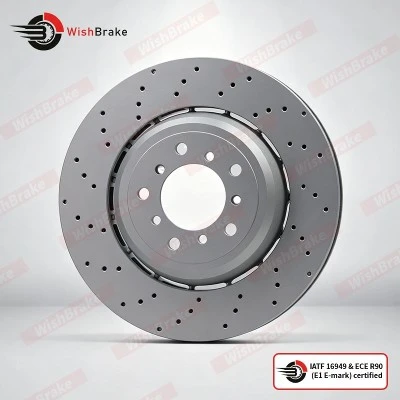
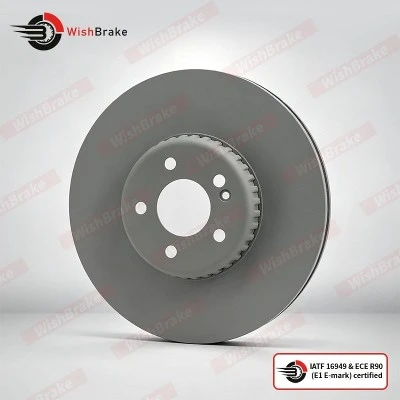
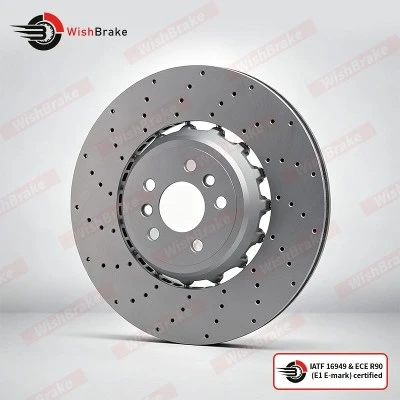
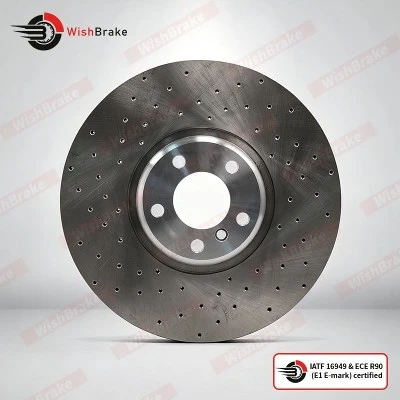
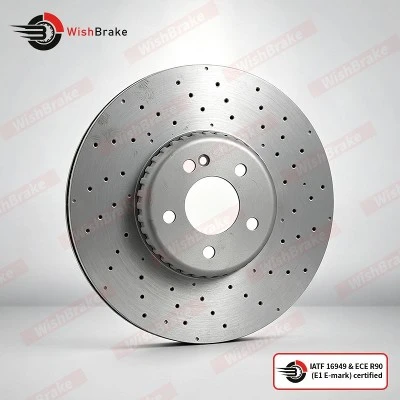
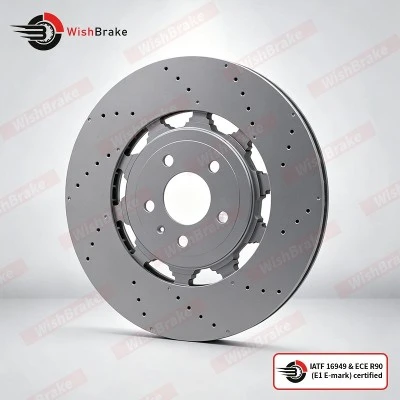
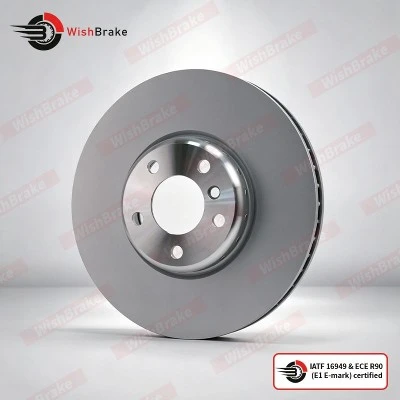
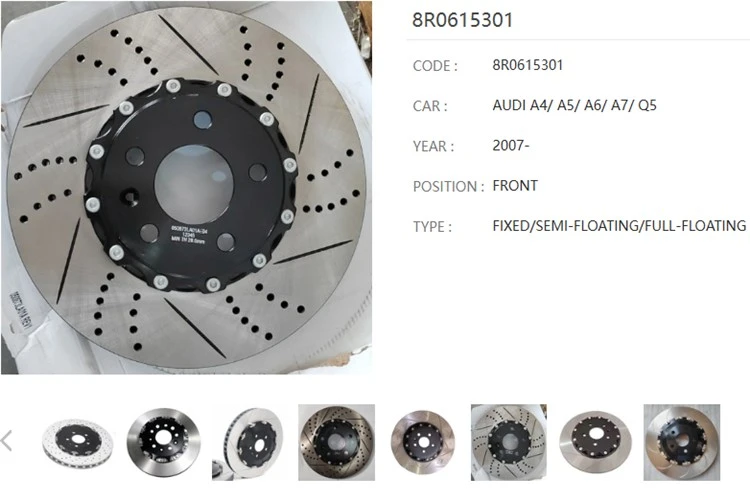
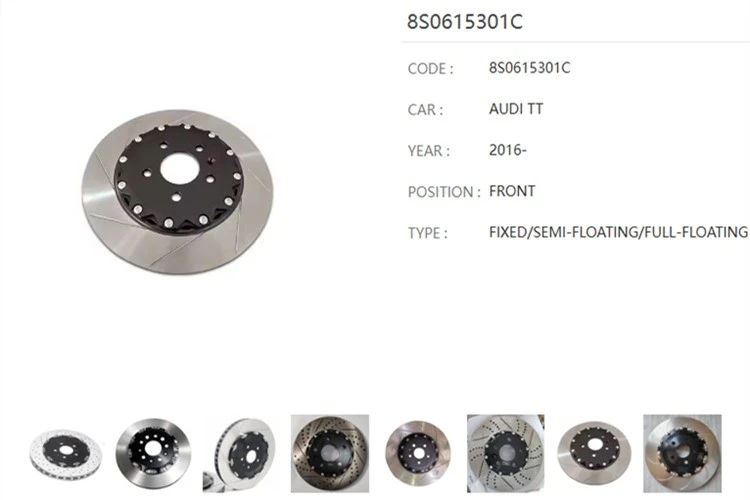
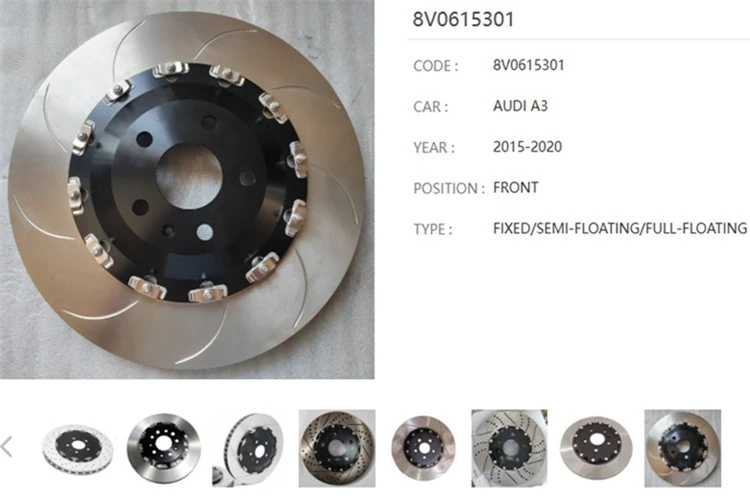
Braking systems include disc brakes, drum brakes, and air brakes; many older vehicles feature a front-disc/rear-drum setup, whereas many modern cars use disc brakes on all four wheels. Because disc brakes dissipate heat better than drum brakes, they are less prone to "brake fade" during high-speed braking, resulting in superior high-speed performance. However, their braking effectiveness is inferior to that of drum brakes at low speeds or when the brakes are cold, and they are more expensive. Consequently, many mid-to-high-end sedans utilize all-wheel disc brakes, while standard sedans often use a front-disc/rear-drum configuration; meanwhile, trucks and buses-which operate at relatively lower speeds but require substantial braking force-continue to use drum brakes.
Drum brakes are enclosed units shaped like drums (often referred to colloquially in China as "brake pots" or "brake bowls") that rotate while the vehicle is in motion. Inside the drum, two arc-shaped or semi-circular brake shoes are mounted. When the brake pedal is pressed, the brake wheel cylinder forces these shoes outward; they expand to press against the inner wall of the brake drum, creating the friction needed to slow down or stop the vehicle.