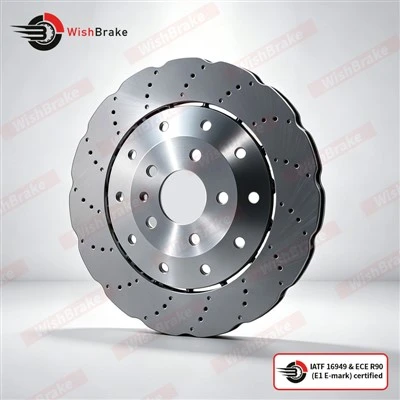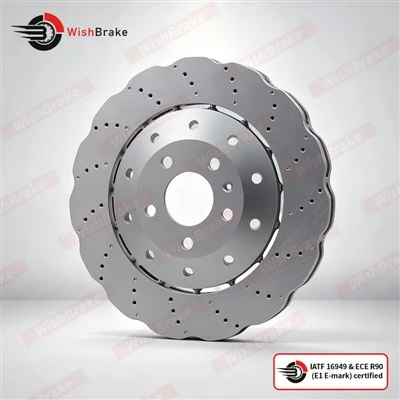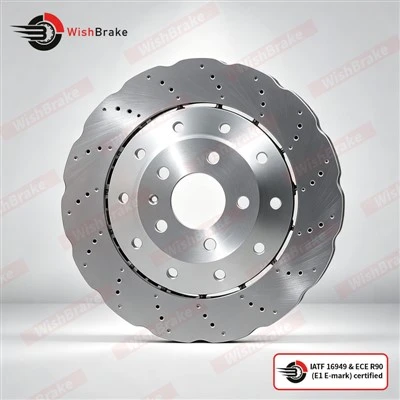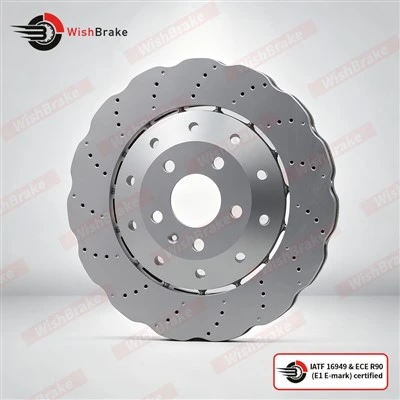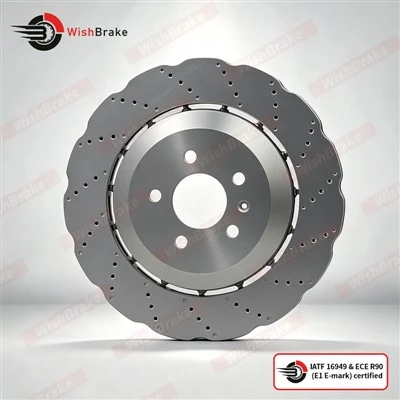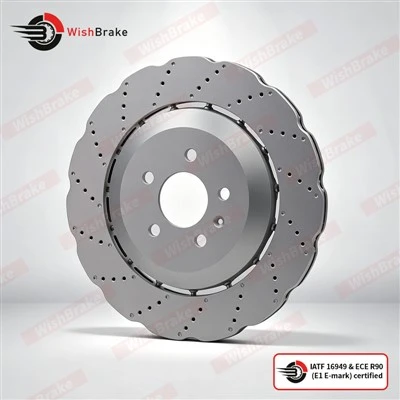

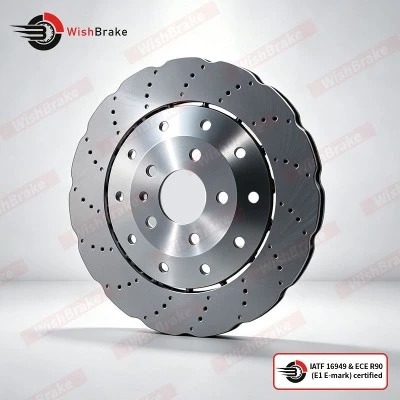
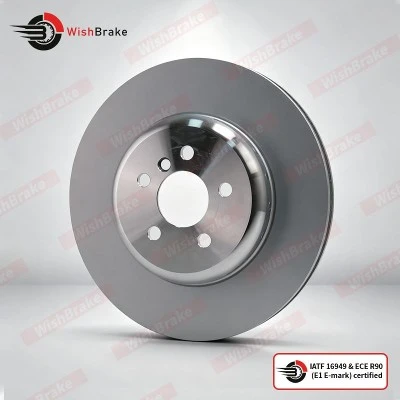
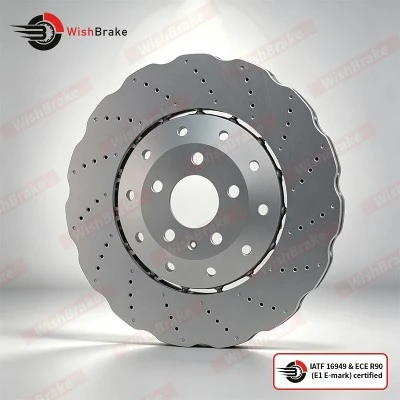
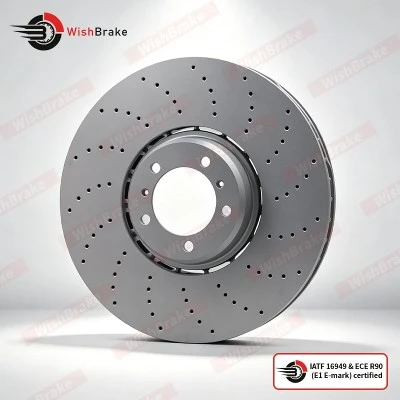
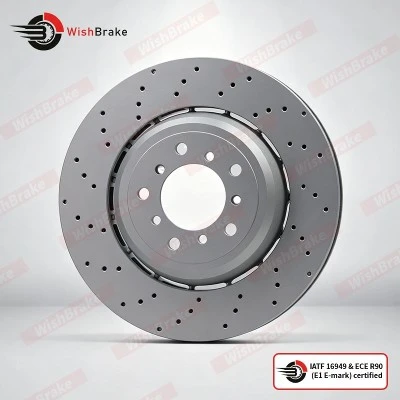
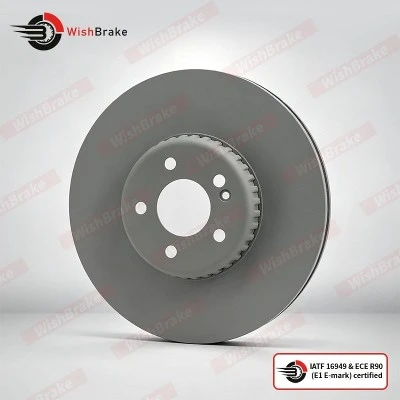
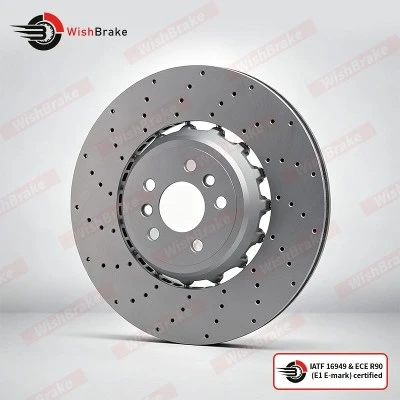
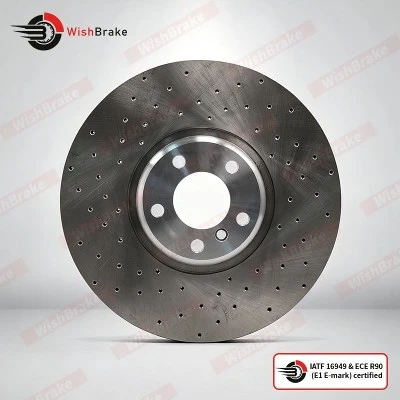
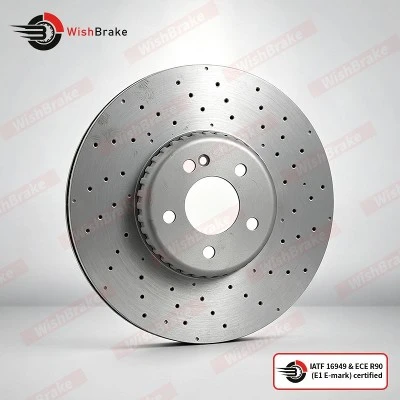
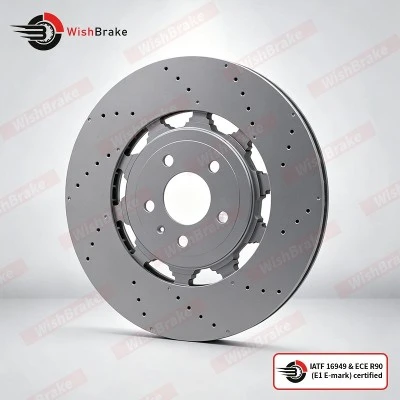
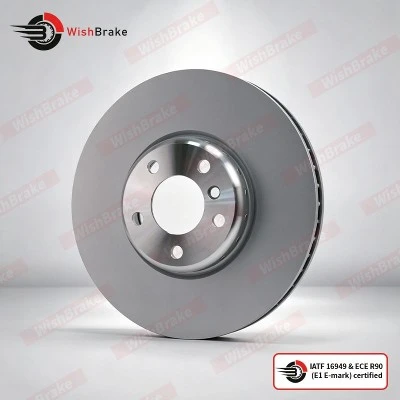
The quality of the installation directly affects braking safety; therefore, it is recommended that the task be performed by experienced professional technicians. Before installation, verify the brake disc model, diameter, thickness, mounting hole spacing, and center bore dimensions to ensure the product is fully compatible with the vehicle's braking system.
During installation, check the wheel hub mounting surface and the brake disc contact surface for cleanliness, ensuring that rust, dirt, or foreign objects do not interfere with proper seating. An uneven mounting surface can lead to increased brake disc runout, resulting in braking vibration or uneven brake pad wear.
Additionally, inspect the condition of the calipers, guide pins, brake pads, and related mounting hardware, and perform the assembly according to the torque specifications and procedures prescribed by the vehicle manufacturer. Do not arbitrarily modify calipers, wheel hubs, or other braking components simply to achieve a unique aesthetic.
After installation, check the brake pedal feel, the rotation of the disc, and the clearances between components, and conduct a low-speed test as required by the product specifications. New brake discs and pads typically require a proper break-in period; avoid unnecessary, high-intensity continuous braking during this time.