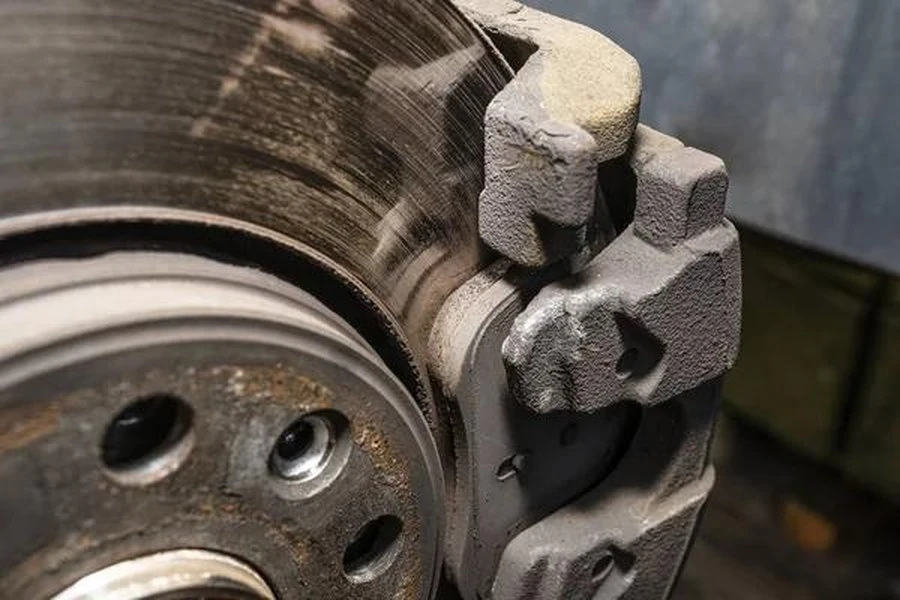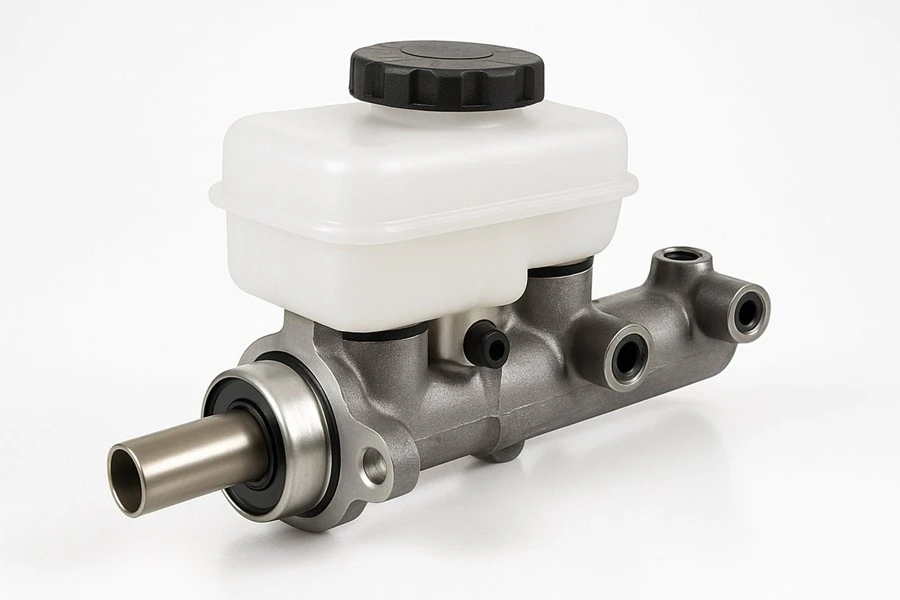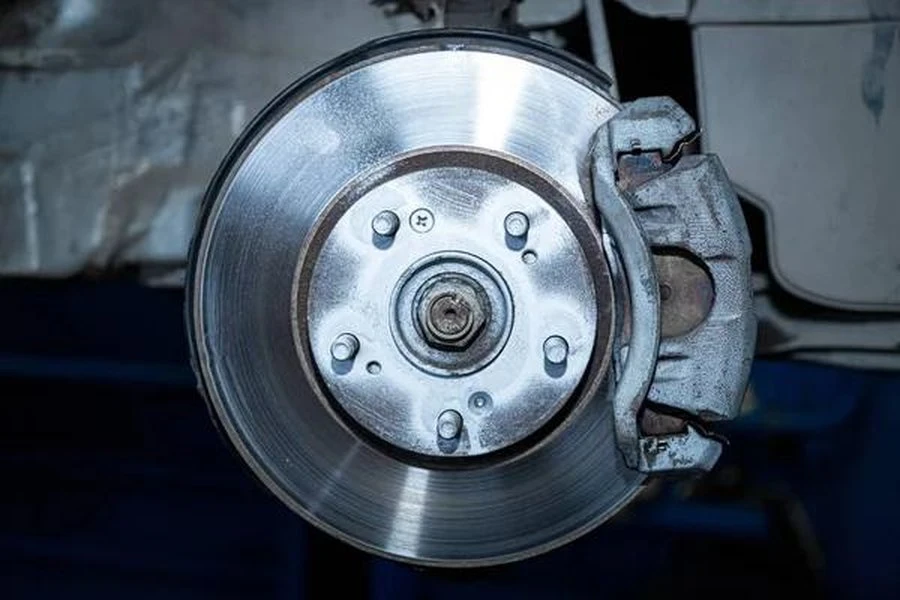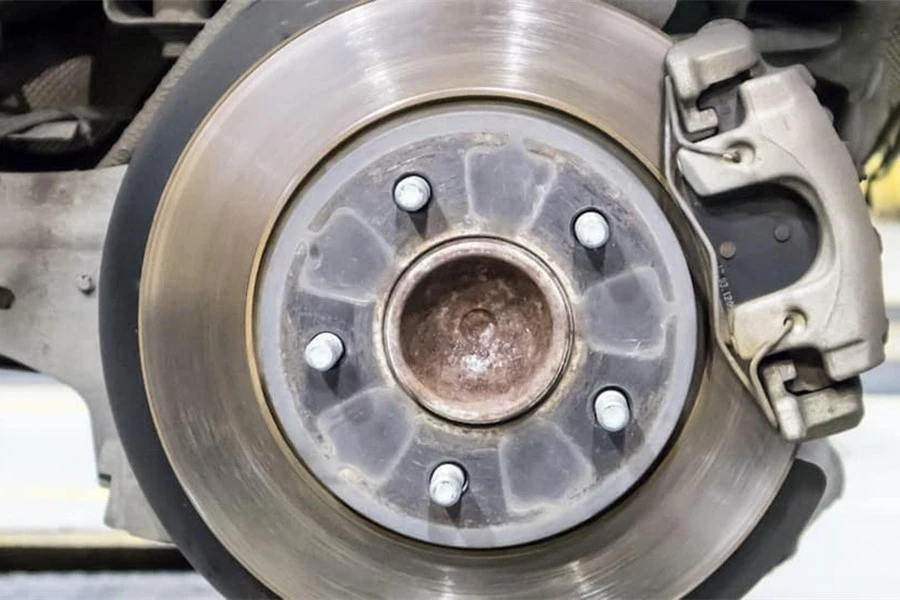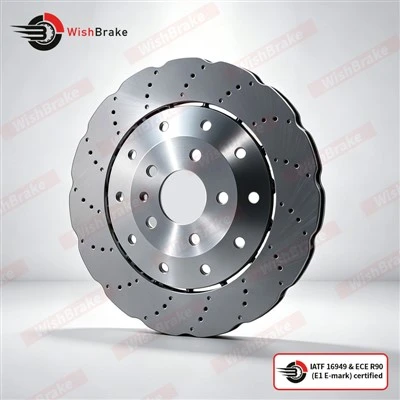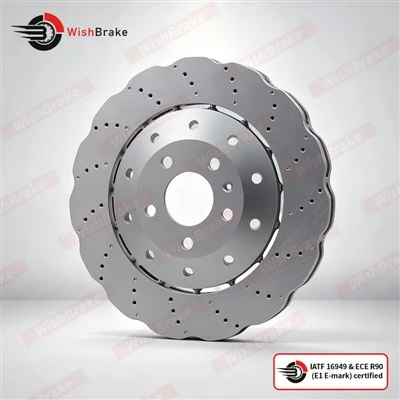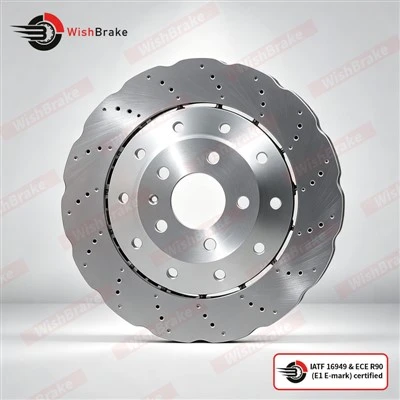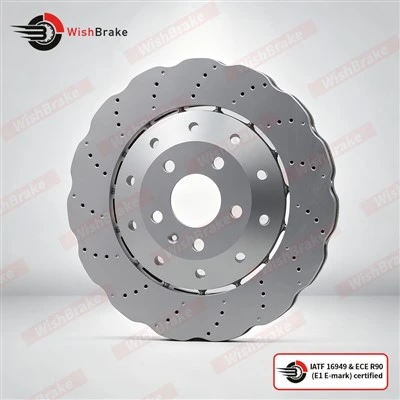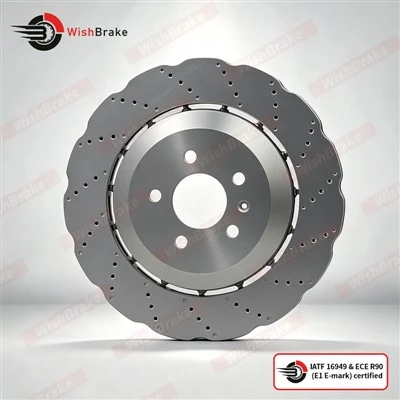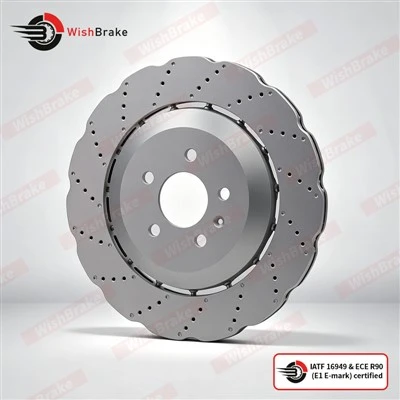

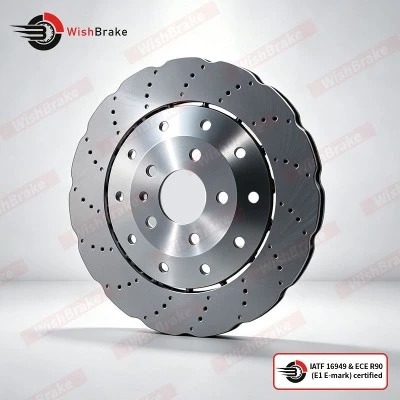
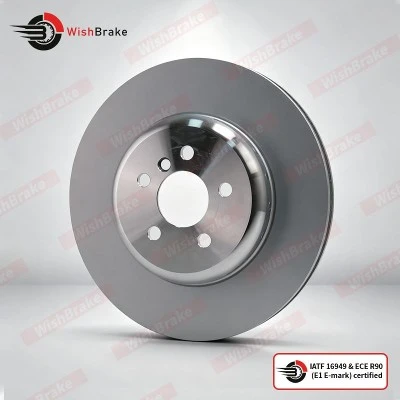
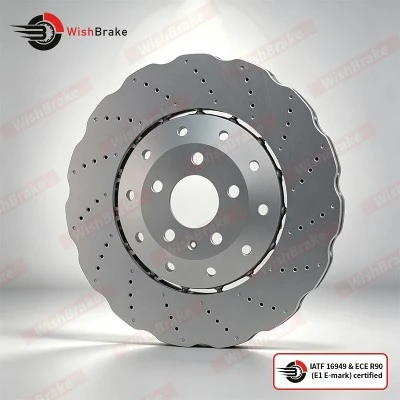
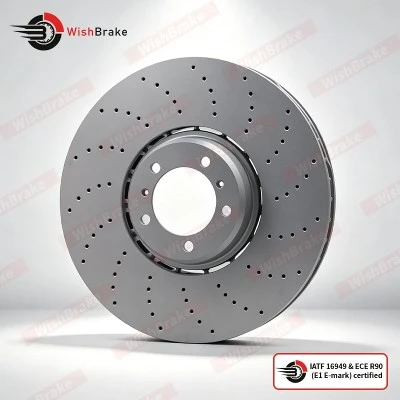
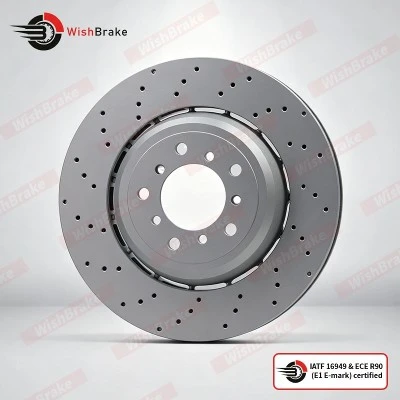
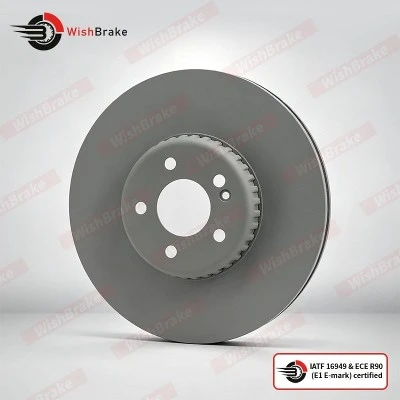
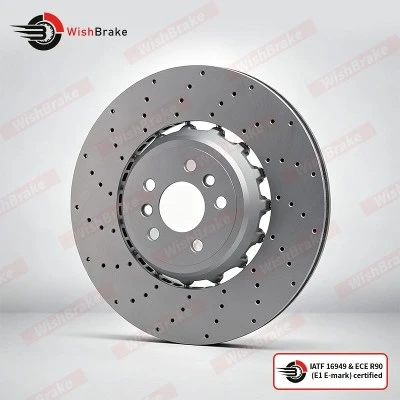
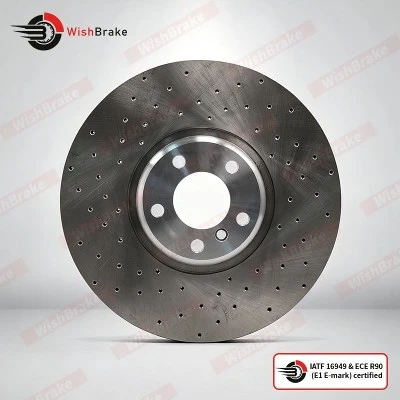
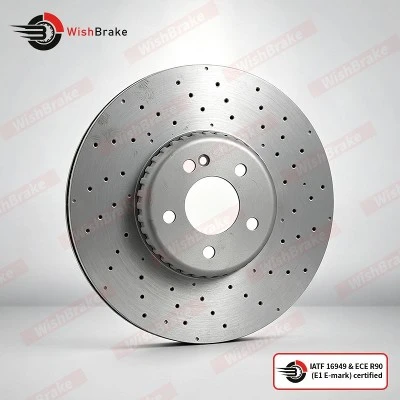
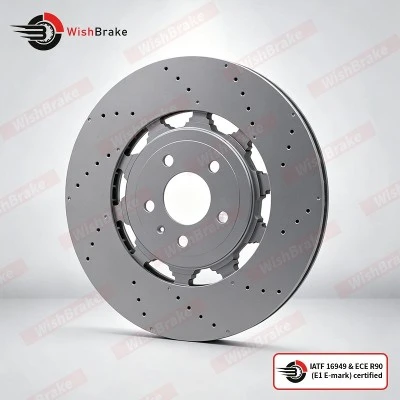
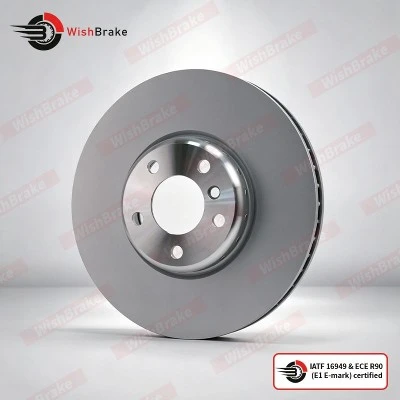
Brake discs and pads are designed for braking, with the braking force generated by the brake caliper. Typically, the caliper assembly features a fixed inner section housing the brake piston and an outer section with a clamp-like structure. The inner brake pad is attached to the piston, while the outer pad is mounted on the outer part of the caliper. Hydraulic pressure transmitted through the brake line pushes the inner pad against the disc; simultaneously, the reaction force pulls the caliper, drawing the outer pad inward. Both pads are thus pressed against the brake disc, generating braking force through the resulting friction. This piston actuation relies on brake fluid (hydraulic fluid), a process assisted by the engine.
In contrast, the handbrake (parking brake) utilizes a cable and a lever mechanism to mechanically pull the brake pads, forcing them against the brake disc to generate braking force.